

A phytosterol, also known as a plant steroid, Beta-Sitosterol can be found naturally in various oils, seeds, and plants. Beta-sitosterol, which is chemically similar to cholesterol, supports heart health, prostate function, and immune regulation, all of which are important aspects of human health. Pure beta-sitosterol refers to isolated plant extracts standardized to contain high, therapeutic concentrations of this compound for nutritional supplementation and pharmacological applications.It is a health product raw materials.
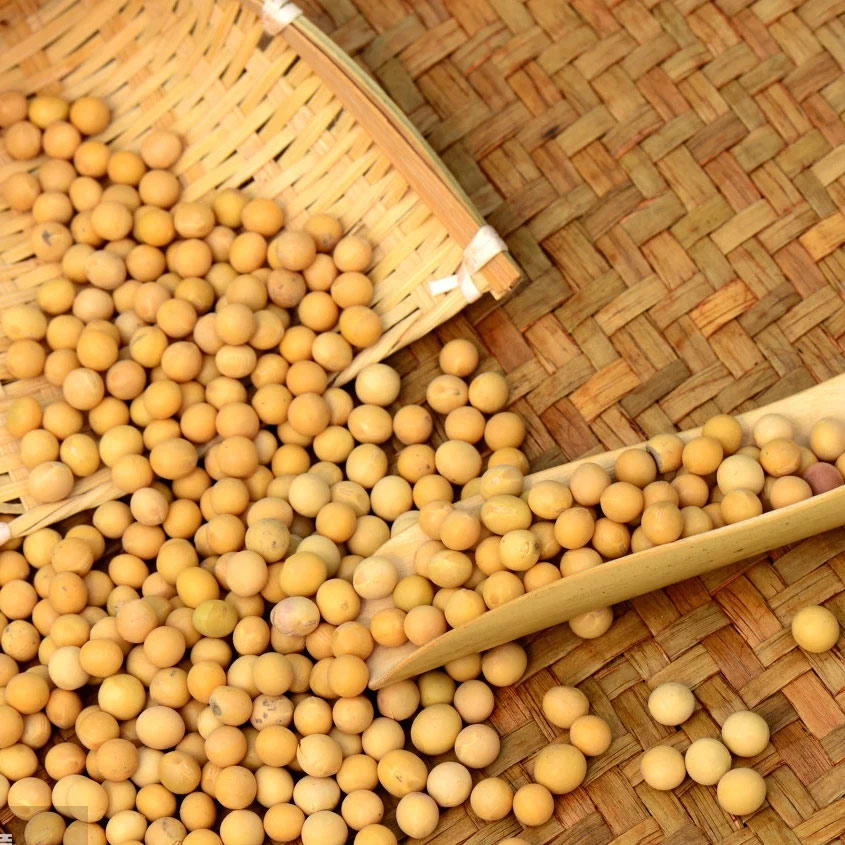
Plants synthesize beta-sitosterol as part of their cell membrane structure, along with other phytosterols like campesterol and stigmasterol. Common dietary sources of beta-sitosterol include nuts, seeds, wheat germ, rice bran, and plant oils. Supplements also provide more concentrated doses from sterol-rich extracts of soy, pine, or peanuts.
Suppliers of our food raw materials.
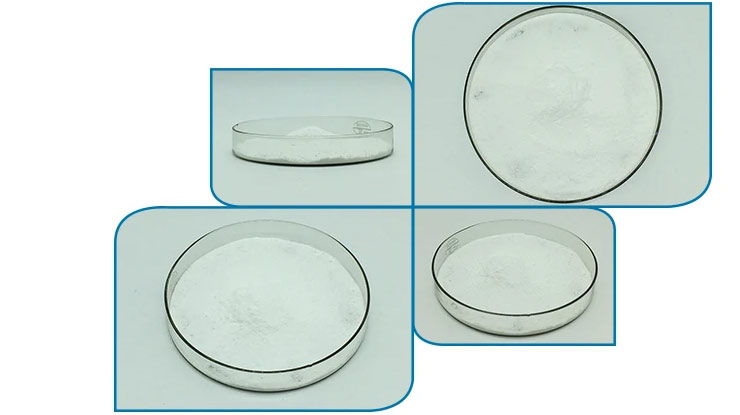
Chemical Structure And Properties:
The chemical structure of beta-sitosterol contains 29 carbons arranged into a four-ring steroid configuration. This is similar to the 27-carbon cholesterol molecule found abundantly in animals and humans. Pure Beta Sitosterol's two additional carbons give it different physical, chemical, and physiological properties from cholesterol.
Some key properties of beta-sitosterol include its white crystalline powder form at room temperature, soluble in chloroform, benzene, ether, and ethyl acetate but low solubility in alcohols and water. It also has a high melting point around 136°C and contains no odor or taste.
Due to its sterol ringed structure, Pure Beta Sitosterol functions biologically as a signaling and regulatory molecule in plant cells. In the human body, it acts similarly to cholesterol, incorporated into cell membranes to maintain proper structure and function.
Health Benefits:
Extensive research over the past decades demonstrates that pure beta-sitosterol provides various health benefits:
- Cholesterol-Lowering Effects
Reducing LDL and total cholesterol levels in the blood can lower cardiovascular risk. Multiple studies confirm beta-sitosterol's cholesterol-lowering properties. A review of randomized controlled trials concluded beta-sitosterol could lower total cholesterol by 0.33 mmol/L and LDL cholesterol by 0.42 mmol/L over placebo.
- Anti-inflammatory Properties
Inflammation underlies many chronic diseases today. Pure Beta Sitosterol shows anti-inflammatory abilities by inhibiting a number of inflammatory factors. Specific mechanisms include reducing prostaglandins, thromboxanes, nitric oxide production, and expression of adhesion molecules involved in inflammation.
- Prostate Health Support
Benign prostatic hyperplasia (BPH), or enlarged prostate, often requires medication or surgery that can cause side effects in men as they age. Pure Beta Sitosterol improves urinary symptoms and urinary flow in BPH patients, with dozens of studies supporting its prostate health benefits.
- Immune System Modulation
A healthy, properly functioning immune system is vital to fight infections and prevent chronic inflammation. Pure Beta Sitosterol enhances immunity by stimulating macrophage actions and influencing cytokines that activate T cells. This immune-boosting ability could increase resistance to some diseases.
- Antioxidant Effects
Oxidative stress leads to cell and DNA damage, contributing to aging, disease, and other diseases. Beta-sitosterol demonstrates antioxidant properties in lab studies, counteracting free radicals and reducing oxidative damage to cells.
Sources Of Pure Beta-Sitosterol:
Pure Beta Sitosterol occurs naturally in all plants, as part of structural fat molecules called sterols in cell membranes. But some of the best sources providing higher, therapeutic doses include:
Plant Oils: Soybean, canola, olive, peanut, sunflower, and corn oils contain roughly 85-95% of total sterols as beta-sitosterol. Refining these oils often boosts total phytosterol content.
Nuts and Seeds: Almonds, cashews, walnuts, pecans, pumpkin and sesame seeds have good amounts of beta-sitosterol per 100 grams. Peanuts also contain campesterol and stigmasterol as well.
Fruits and Vegetables:Pure Beta Sitosterol is found to varying degrees in avocados, oranges, potatoes, carrots, bananas, apples. Intake from produce is lower than oils or nuts/seeds though.
Supplements And Pharmaceuticals
While dietary intake described above provides some beta-sitosterol, supplements with sterol-standardized plant oils and extracts maximize dosages for therapeutic effects and targeted health conditions.
Typical capsule doses range from 50-300 mg daily. Specific phytosterol compounds include beta-sitosterol, campesterol, and stigmasterol from soy or pine extracts. Popular options also combine beta-sitosterol with saw palmetto or pumpkin seed oil for prostate support.
In Europe and Asia, beta-sitosterol medications are prescribed for managing high cholesterol as well. The cholesterol lowering efficacy and safety continues to be confirmed in numerous medical studies and clinical use.
Safety And Side Effects:
Current research suggests beta-sitosterol is generally recognized as safe with little to no serious side effects for most healthy individuals at recommended dosages. Mild side effects may include nausea, indigestion, gas, diarrhea, or constipation.
However, high intakes above 300 mg daily, especially for extended periods, may elevate steroid hormone levels and impact liver or immune function. Those on anti-cholesterol statin drugs need medical guidance, as beta-sitosterol can enhance their effects and increase risk of muscle tissue damage in sensitive individuals.
Some evidence also indicates beta-sitosterol may stimulate prostate disease growth similar to testosterone. Thus supplementation is not advised for those with prostate disease or at high risk. More research is still needed though regarding beta-sitosterol's safety for men with BPH using it to improve urinary function.
In conclusion, pure beta-sitosterol is a biologically active phytosterol with diverse health benefits supported by considerable scientific research. It occurs abundantly in a healthy balanced diet from nuts, seeds, plant oils, fruits, and vegetables as well as sterol-standardized supplements.
Pure beta-sitosterol shows particular promise for heart health optimization, anti-inflammatory effects, immune function, prostate support, and more. It also has a long record of safe use with relatively few side effects. Further clinical studies to clarify optimal usage and potential long-term impacts will help maximize beta-sitosterol's beneficial roles in preventative healthcare.
References:
Bouic, Patrick J. The job of phytosterols and phytosterolins in safe adjustment: a survey of the beyond 10 years. Current assessment in clinical sustenance and metabolic consideration, 4(6), 471-475.
M. B. Gupta, R. Nath, N. Srivastava, K. Shanker, K. Kishor, and K. P. Bhargava beta-sitosterol's antipyretic and anti-inflammatory properties. 39(02), pp. 157-163 in Planta Med.
Klippel, K. F., Hiltl, D. M., and Schipp, B. (1997). A multicentric, fake treatment controlled, twofold visually impaired clinical preliminary of beta-sitosterol (phytosterol) for the treatment of harmless prostatic hyperplasia. English diary of urology, 80(3), 427-432.
Racette, S. B., Lin, X., Lefevre, M., Spearie, C. A., Most, M. M., Mama, L., and Ostlund Jr, R. E. (2010). Dietary phytosterols' dose effects on cholesterol metabolism: a controlled taking care of study. 32-38 of the 91th issue of the American Journal of Clinical Nutrition.